Writing
Product teardowns and pro insights — close reads of real products, and the design decisions behind why they work or don't.
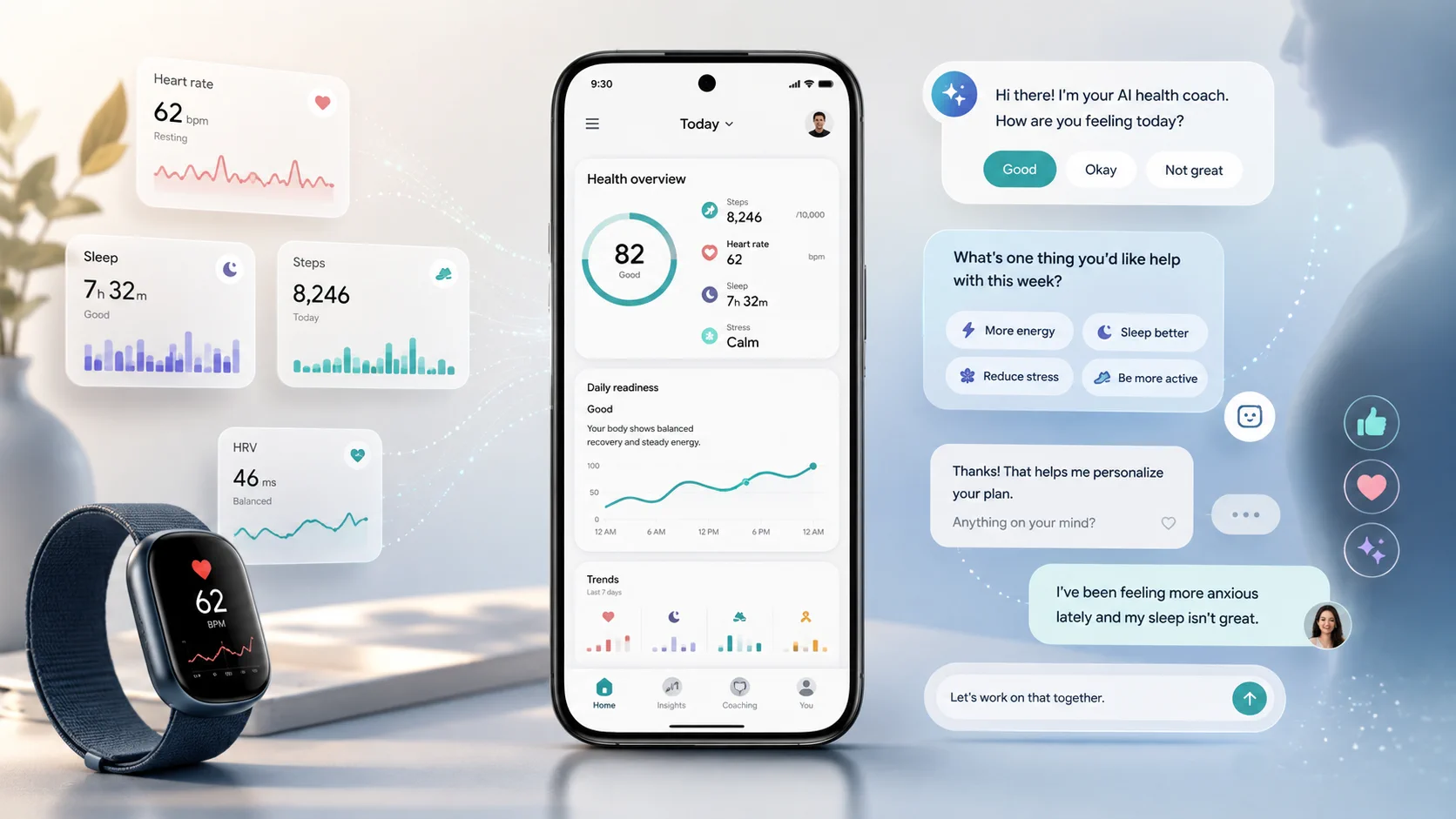
Why Does Google Health Keep Asking You Questions?
Apple Health stays quiet while Google Health keeps asking. Those questions are how the product collects what a passive tracker cannot record, and its citations mark exactly where Google's confidence ends.
20 July 2026
The Restraint of Apple Health: How a Difficult App Helps Apple Sell the Next Apple Watch
Apple Health feels cluttered, passive, and short on guidance. Those weaknesses point to an overlooked premise: Apple treats it as health infrastructure for its hardware ecosystem. Its real value is storing years of data, building trust, and making it harder to leave the iPhone and Apple Watch behind.
8 June 2026
The Two Keystrokes That Made Raycast, and Now Trap Its AI
Two keystrokes packed launching, searching, window management and 2,500 extensions into a single grammar. That same design now decides how far Raycast's AI can go.
3 June 2026
Arc Never Broke Through. Why Did Dia Sell for $610M Three Months After Launch?
Arc never crossed 0.1 per cent browser share, yet the same team's next browser sold for $610M three months after launch. What Dia carried over from Arc, and what it left on the kerb, explains more than any post-mortem.
3 June 2026
Why Arc Was Loved by a Few but Never Became a Mainstream Browser
Arc invited one audience with its visual language and resonated with another, asked people to learn too much before proving why it mattered, then ran that bet inside a free mass-market model. Three problems compounding, and beautiful design could only do so much.
3 June 2026
How Did Linear Reach $100M ARR?
Linear's advantage is not only speed. It decided very early who it was for, accepted who it would lose, and turned that restraint into a business that passed $100M ARR on roughly $35,000 of lifetime marketing.
3 June 2026