 Bear Liu
Product designer, builder, and lifelong learner.
I came to design through science and taught myself the craft. Sixteen years later, I still care most about the same thing: making complex products feel clear.
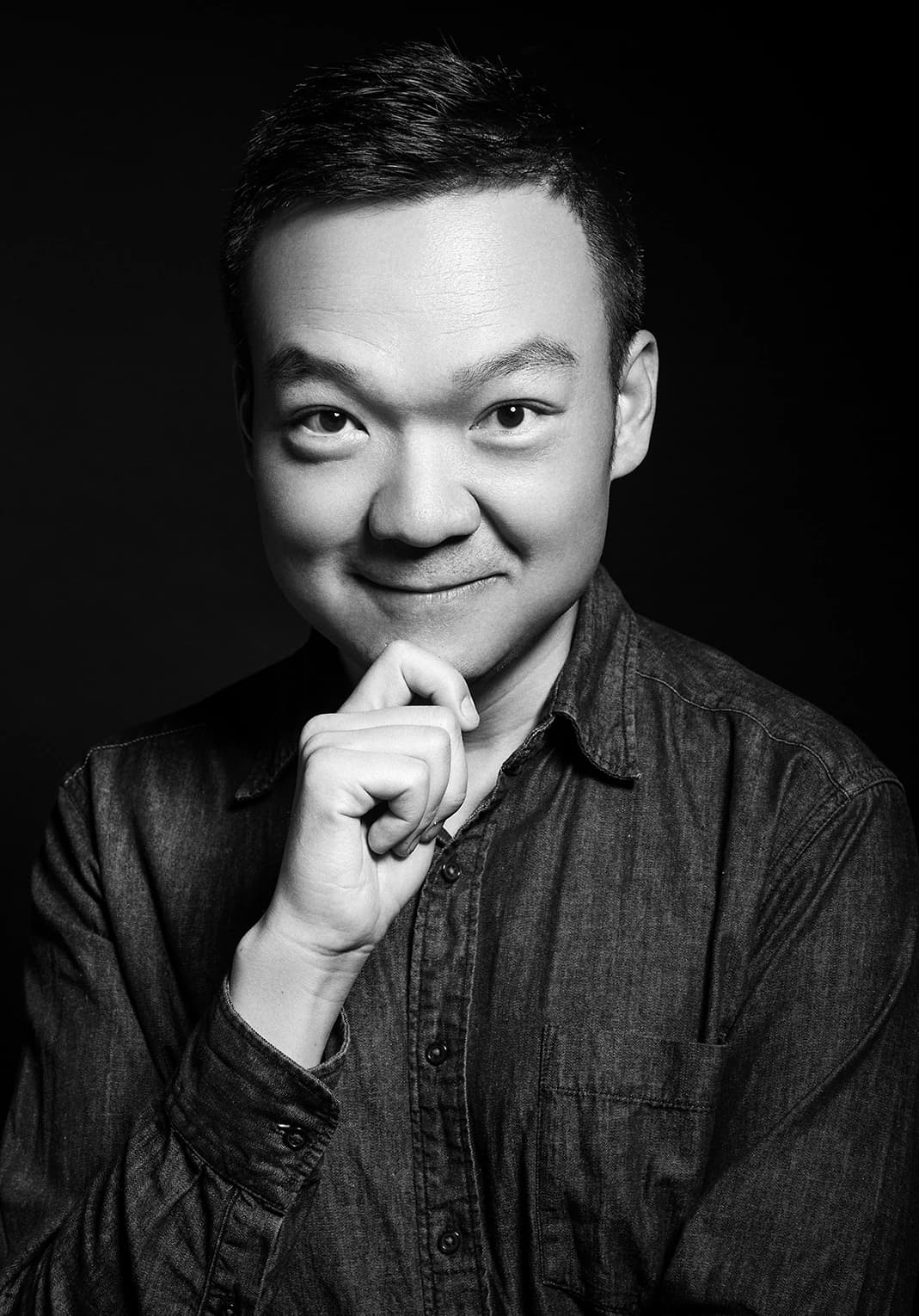
Sixteen years of making complex products feel simpler
I studied physics before teaching myself design. That path made me comfortable with evidence, systems and messy human behaviour.
Over the past 16 years I’ve worked across China and New Zealand, from independent apps and the Palace Museum to Vodafone, Les Mills and Xero. Along the way, I’ve kept building my own products, writing, speaking and mentoring.
Today I work independently with founders and small product teams, usually when the hardest part is deciding what deserves attention next.
I still like the same part of the work most: turning ambiguity into something concrete enough to test, ship and learn from.
A few things along the way
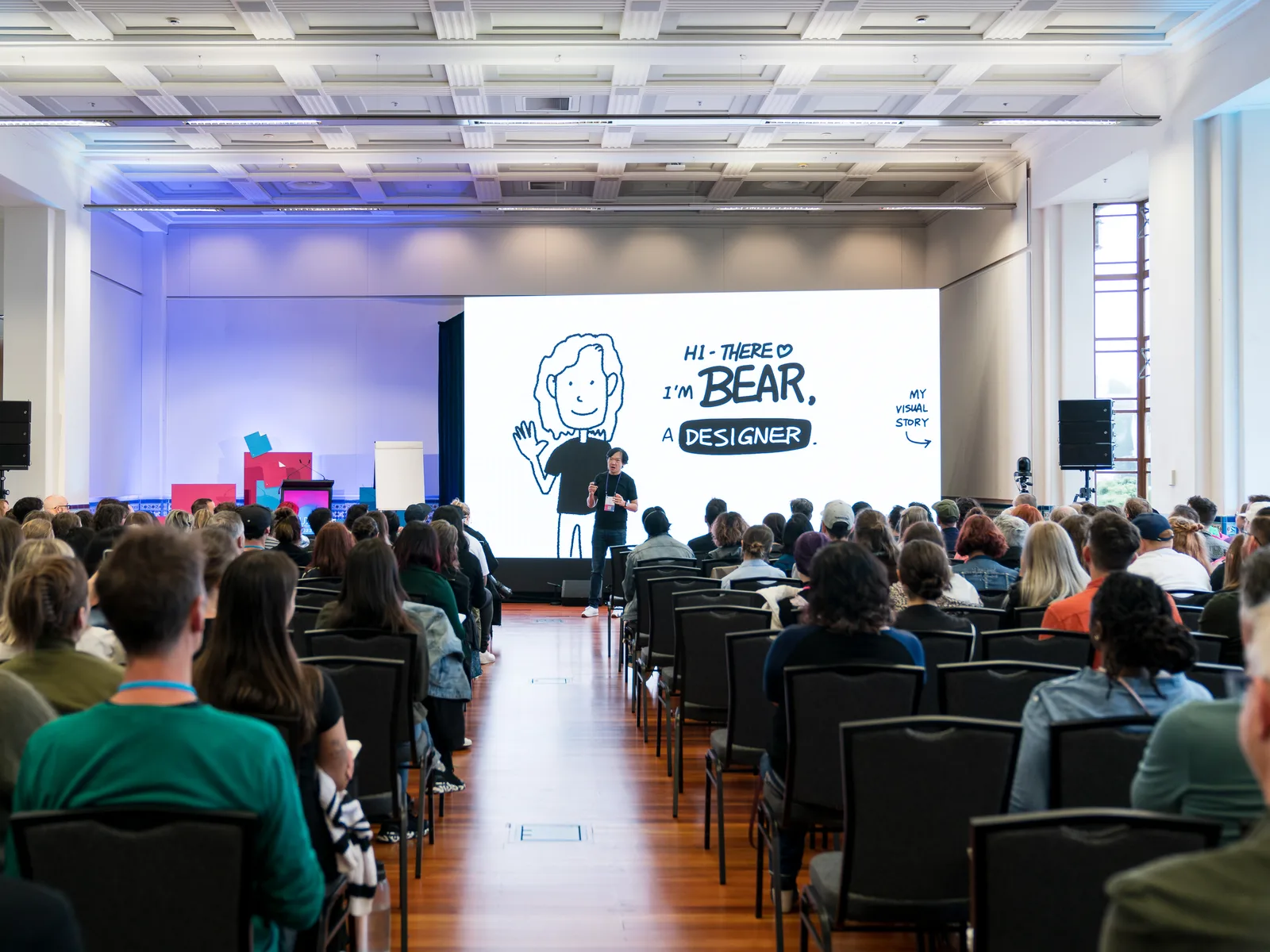
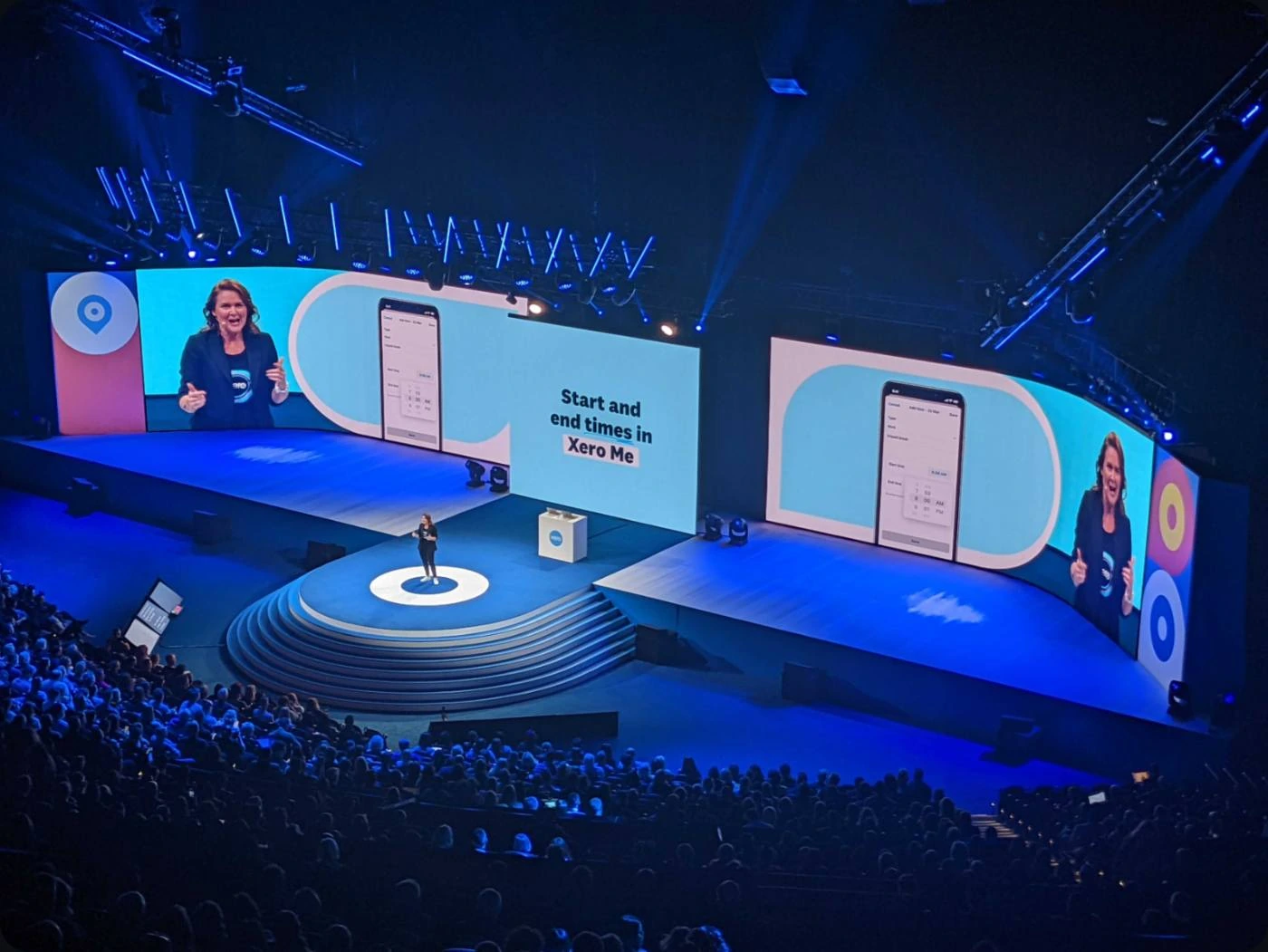
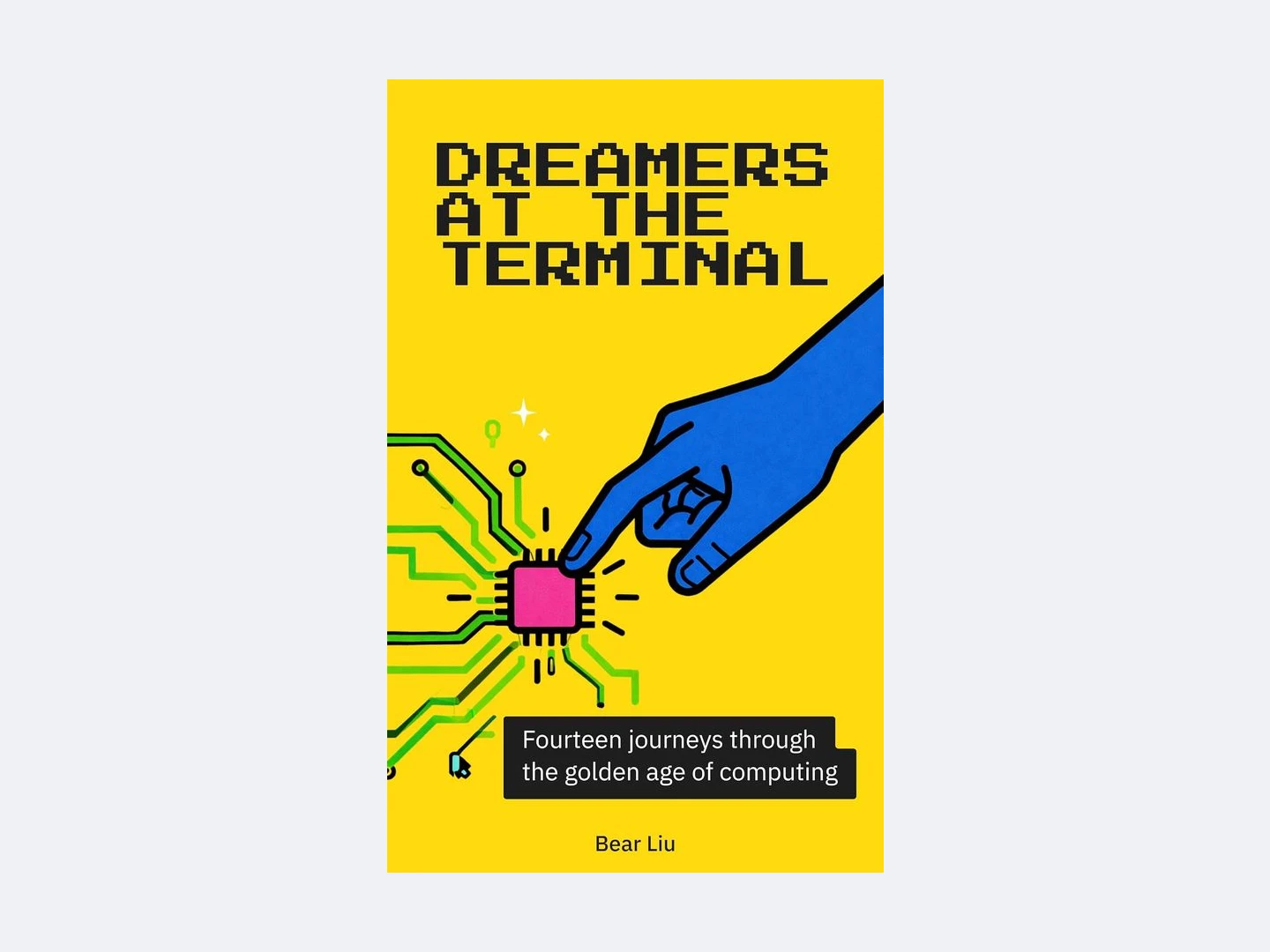
Shared lessons from product design practice, decision-making and the work behind shipped products.
Watch the talk (opens in a new tab)From science to product design
Studied physics, then taught myself design.
Science gave me a bias towards evidence, systems and asking why before jumping to solutions.
Started by building and shipping digital products.
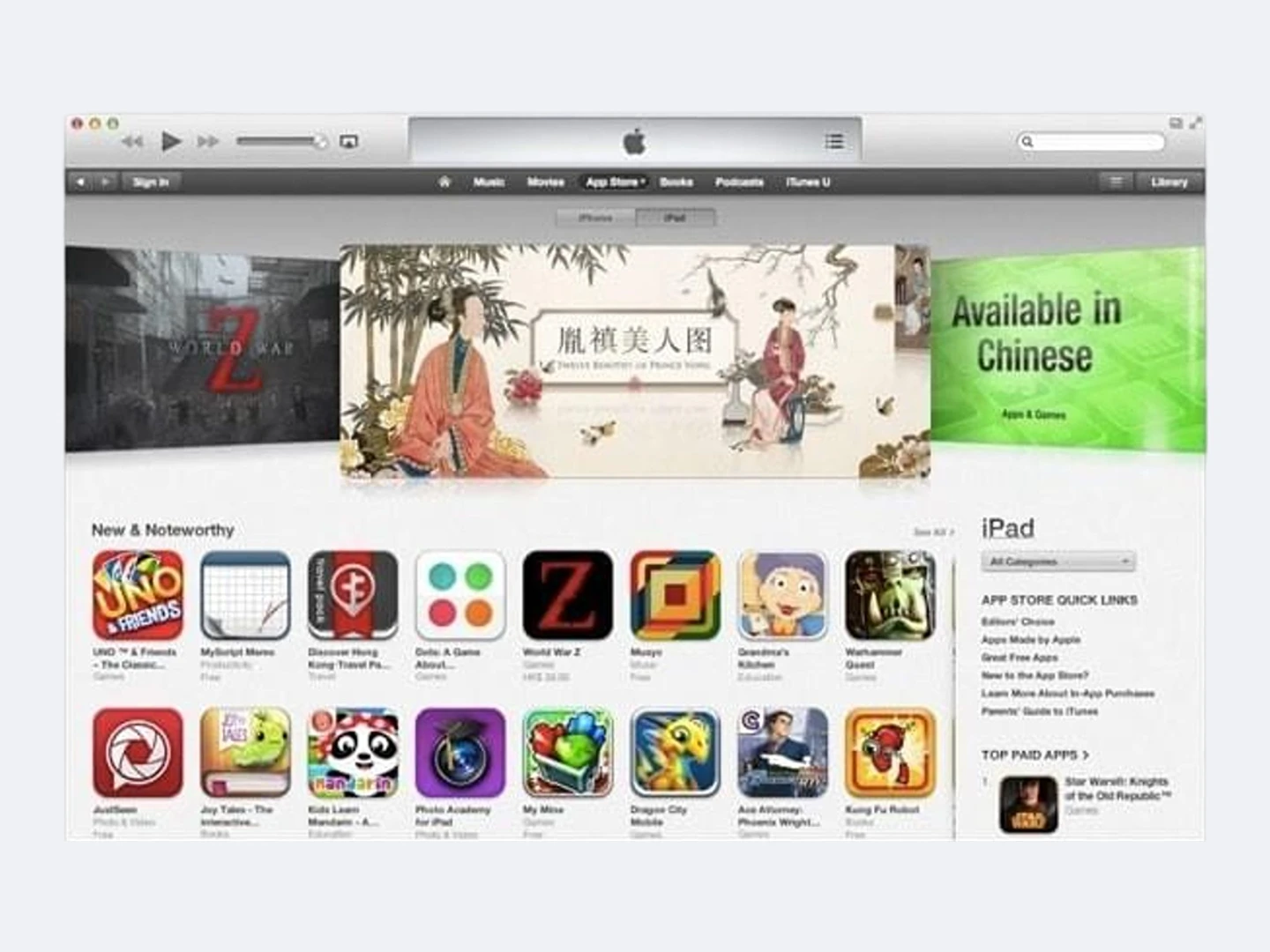
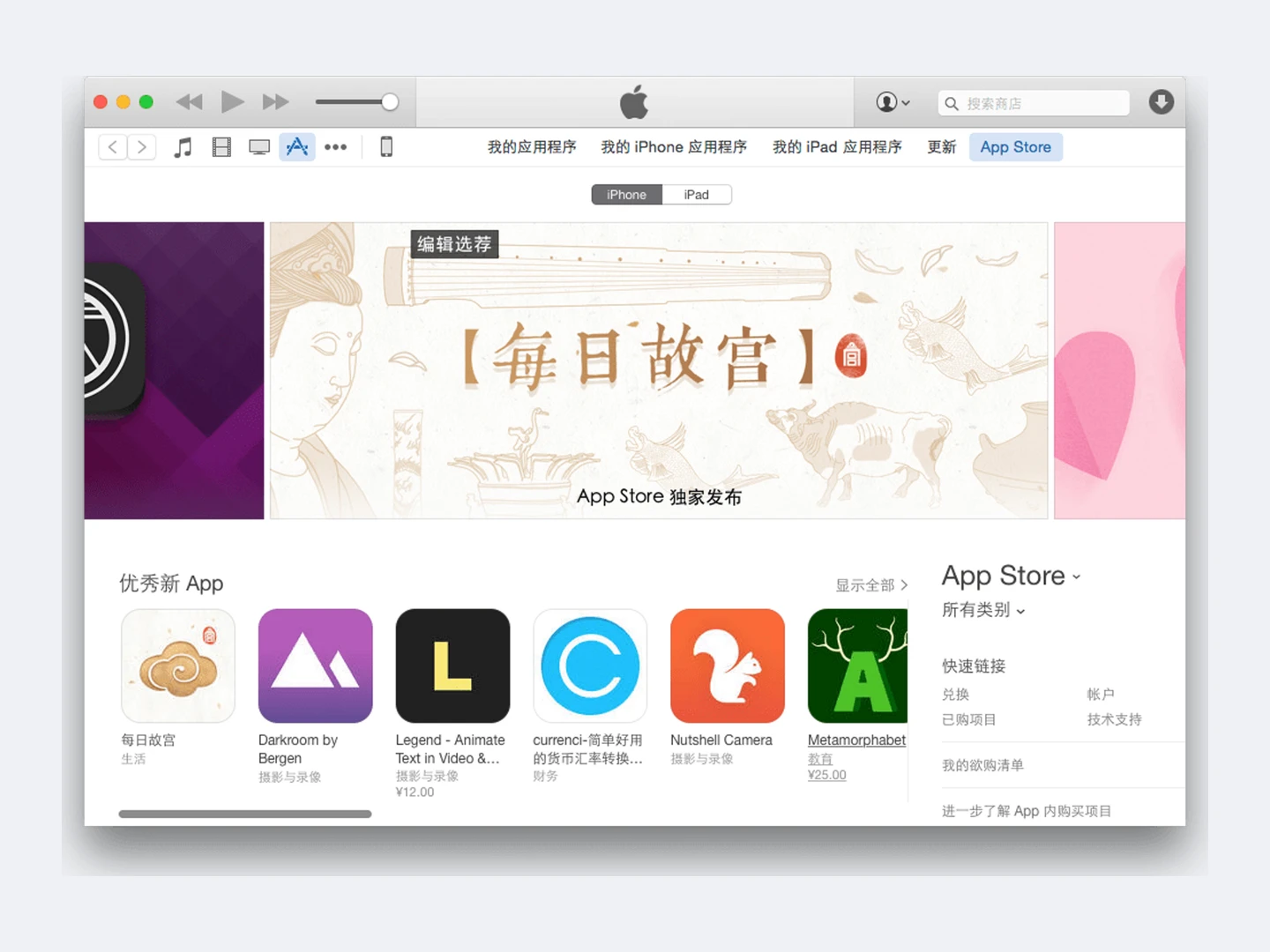
My early work included independent mobile apps and UX for the Palace Museum’s first generation of iOS products.
Moved into larger product teams.
At Vodafone and Les Mills, I worked across consumer, B2B and mobile experiences inside established organisations.
Designed products at global SaaS scale.
Worked across mobile onboarding, payroll and employee experiences, from early discovery through shipped product.
Kept building outside the day job.
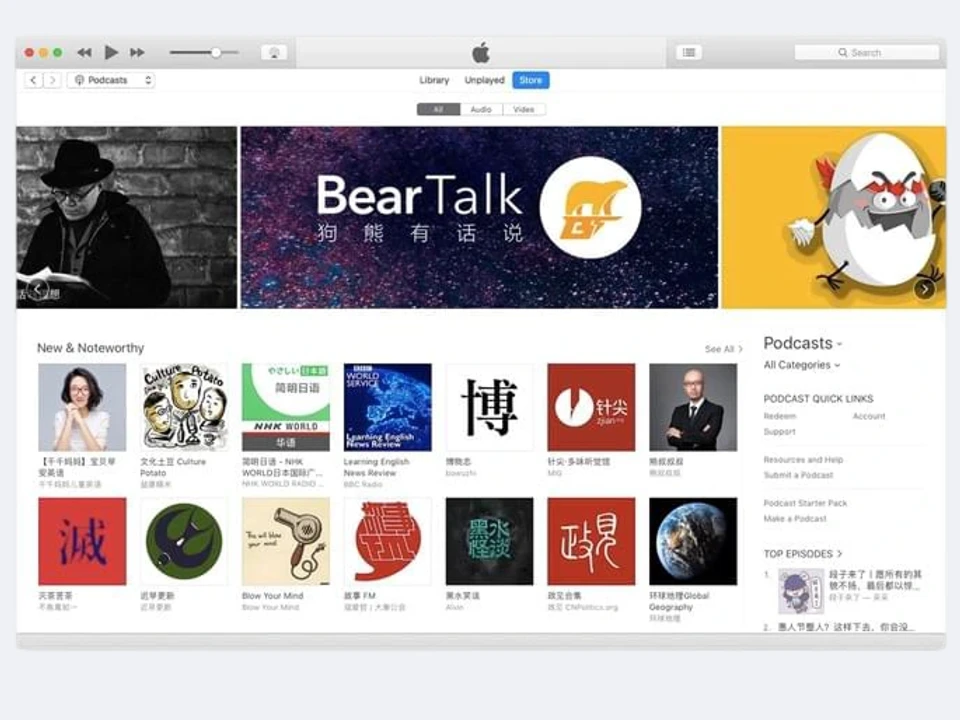
From iBeads and BearTalk to JAM and CUBE Type, independent projects have always been part of how I learn.
Fractional product designer for founders and small teams.
I work directly with teams that need senior design judgement, hands-on product design and another experienced brain in the room.
A few principles I keep coming back to
Understand the real problem
Get close to the users, constraints and business context before reaching for solutions. Good design starts with knowing what is actually worth fixing.
Prototype to think
Make ideas concrete early. A prototype exposes weak assumptions, creates better conversations and helps teams make decisions faster.
Ship, learn, refine
Get useful work into the world, learn from what actually happens, then improve it. Reality is usually a better design partner than another week of speculation.
“Bear has made the collaboration really seamless and painless. Really easy to work with, really fast, really knowledgeable, great communication, great design.”
Where to find me
For projects, collaborations and anything that deserves a proper conversation.
Bear’s Newsletter
Longer thoughts on product design, AI, building and the decisions behind the work.
Bear Liu
Work, professional updates and conversations around products and design.